Fear of new or certain types of people is not uncommon in dogs. This is often the result of the dog being unsocialized, meaning he did not meet new and different types of people early on in his life. Fearful dogs do not necessarily have a history of abuse. For instance, dogs that are scared of men were not all hit by men, but may just not have grown up around men. Dogs that are fearful of children were not necessarily tormented by kids in a previous home, but grew up having never been around them.
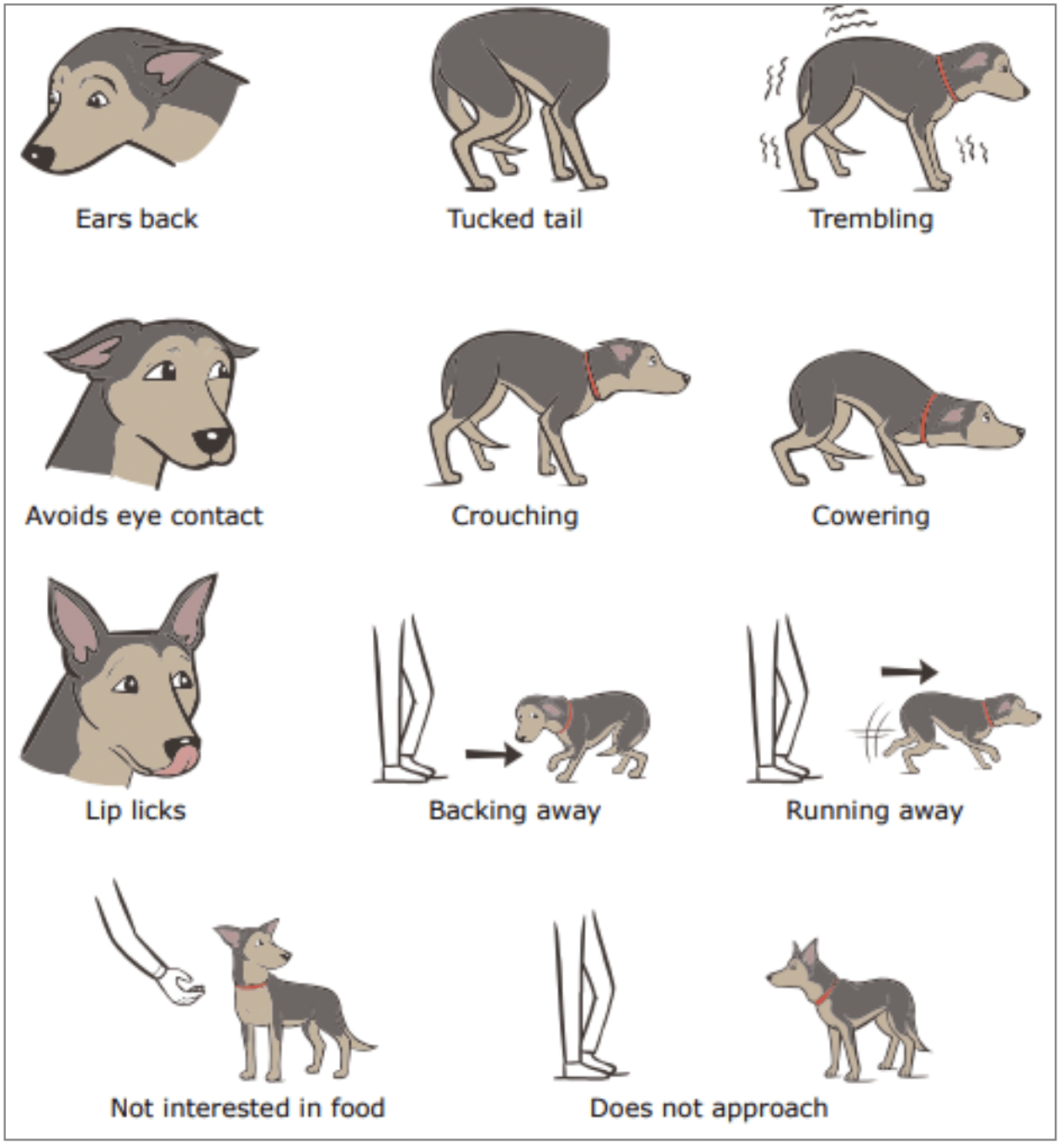
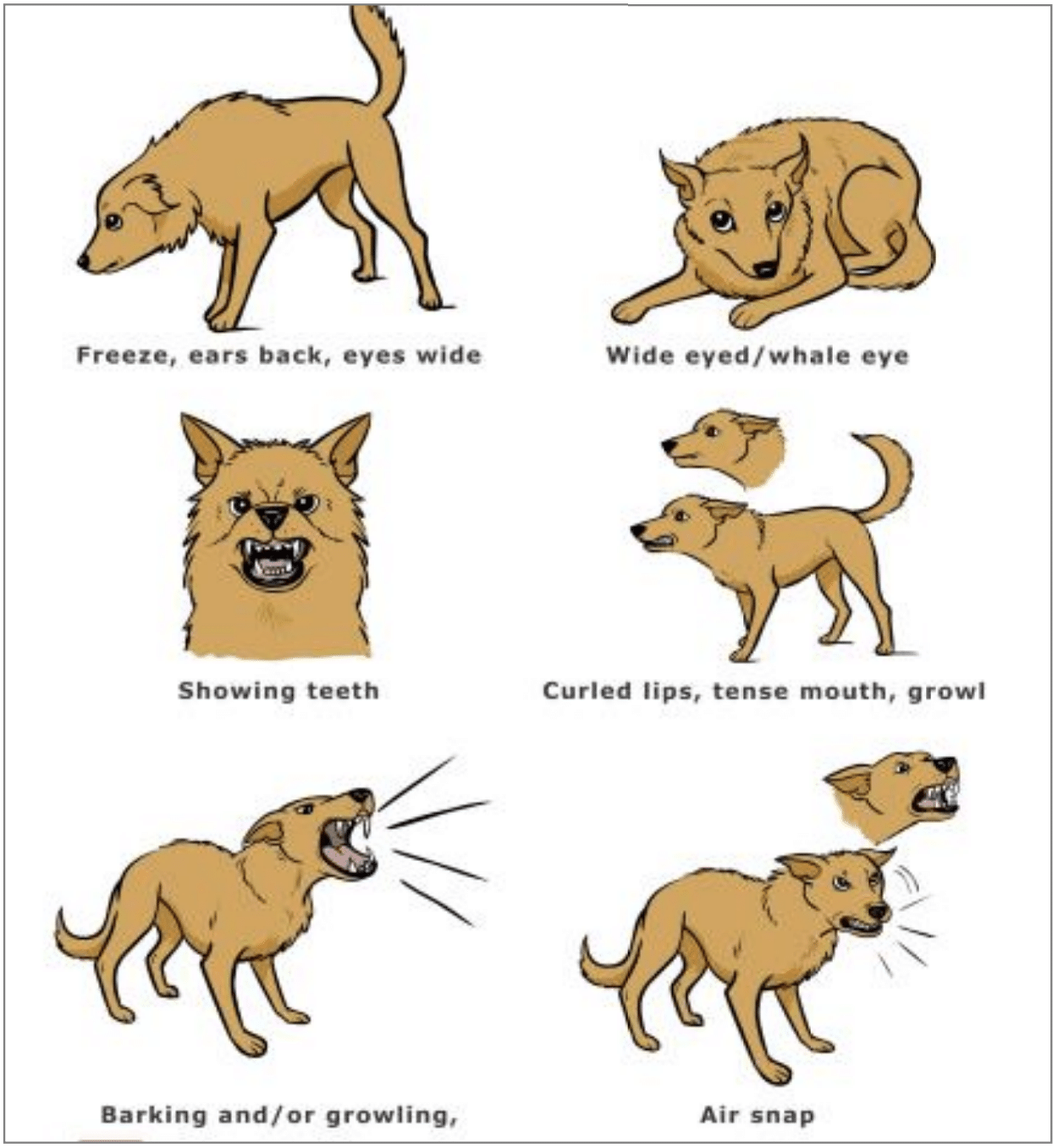
Dogs who are fearful of people can show this in a variety of ways. Some may cower, tuck their tails, and run away, whereas others may bark and growl. If the person they are fearful of reaches towards them or tries to touch them, they may bite or snap because they feel threatened and want the person to go away. Once your new dog gets to know you, he will likely be very friendly with you but still fearful of new people. By following the guidelines below, you can help your pet feel more secure and improve his reaction to new people.
- While your dog is getting to know you over the first week or so, have him drag his leash around the house and outside, even in a secured fence. This will make it easier to move your dog or interrupt an unwanted behavior without needing to grab his collar or corner or chase him.
- Provide a safe place for your dog to retreat if he wishes not to interact with people, such as a crate or area within a quiet room.
- Avoid having visitors in the home or taking your new dog to public places for the first few weeks.
- Do not make quick movements, fast approaches, or direct eye contact with your dog until he’s comfortable with you, and instruct others to do the same. Go slow and let the dog come to you.
- When you eventually have visitors over, put the dog in separate room when they arrive, then bring the dog out on leash for the introduction.
- When meeting new people, ask them to sit, squat, or kneel with their body turned sideways to the dog. Ask them not to look directly at the dog. Toss delicious treats to the dog and allow him to approach on his own. If he shows interest, the person can offer a treat from his or her hand.
- If your dog enjoys playing, try giving the new person his favorite toy to toss or play with.
- Do not try petting before the dog is comfortable. Once he is relaxed and freely approaching, pet the dog on its chest, shoulders, and under the chin, making sure the dog can see the hand approaching (not over the top of his head). Stop after a few seconds and see if the dog “asks” for more.
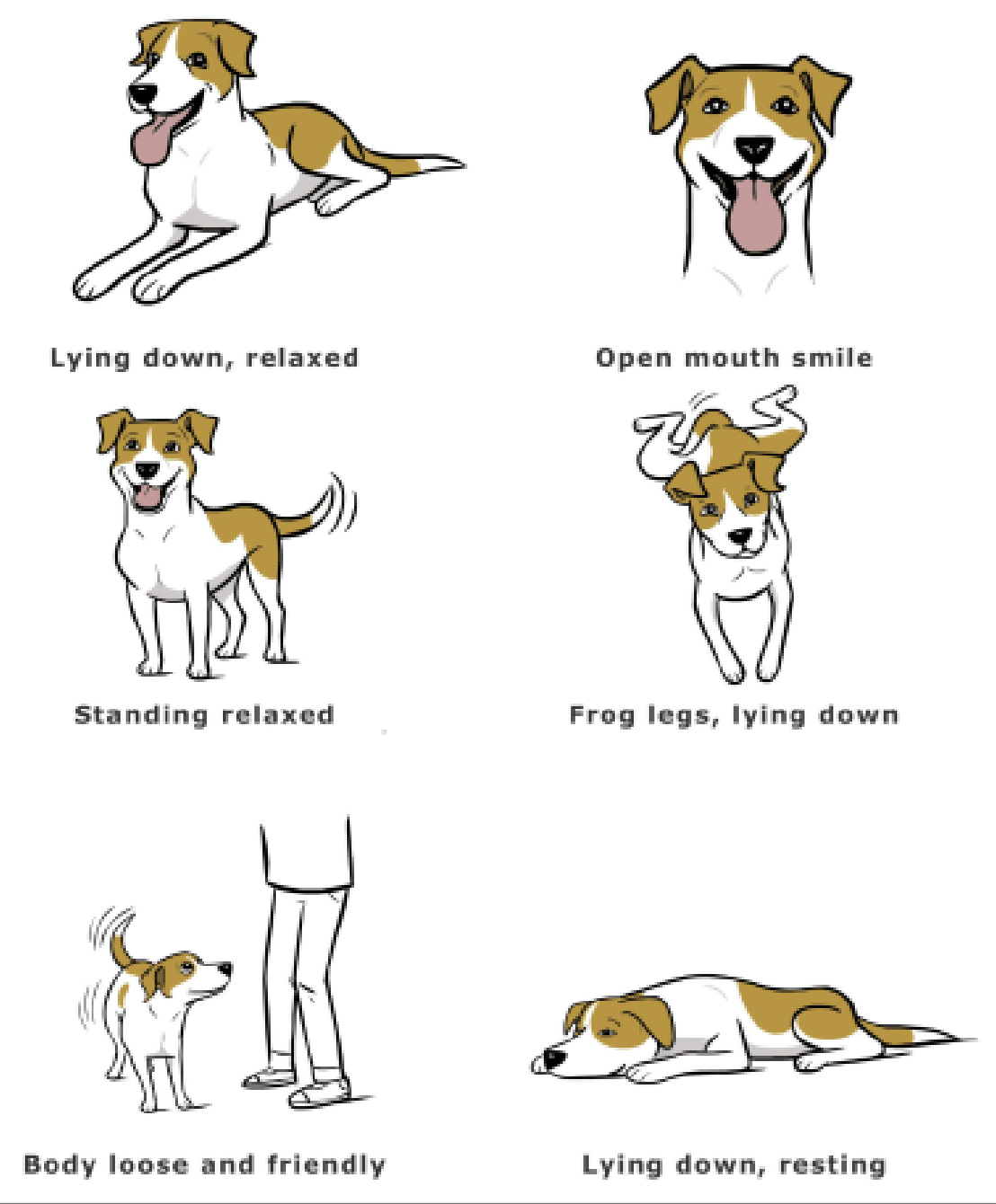
- Don’t force interaction! This can end up making your dog more fearful and cause him to become defensive, possibly causing him to snap at or bite the person. Let your dog tell you he’s relaxed and comfortable by looking for relaxed body language, approaching on his own, eating treats, and playing.
- Even once he’s settled, don’t take your dog to new, busy places where there are situations out of your control, like parties, farmer’s markets, ballgames, and parades. This will likely overwhelm your dog and make him more afraid of new people and situations.
People might tell you that your dog just needs to be “socialized”. The prime window for socialization occurs before the first 4 months of life. Throwing your already fearful dog into hectic, overwhelming situations will likely only make your dog more fearful. Your dog can still be socialized, but this process must take place slowly with special care and planning.
Canine Body Language
Dogs communicate when they are feeling stressed or scared through their body language. Look out for these signals in your fearful dog. If you see this type of behavior, the dog is trying to tell you he needs space or for the scary thing to stop or go away. Approaching a dog displaying this body language may result in the dog snapping or biting.
Fearful
Defensive/Threatened
Relaxed